

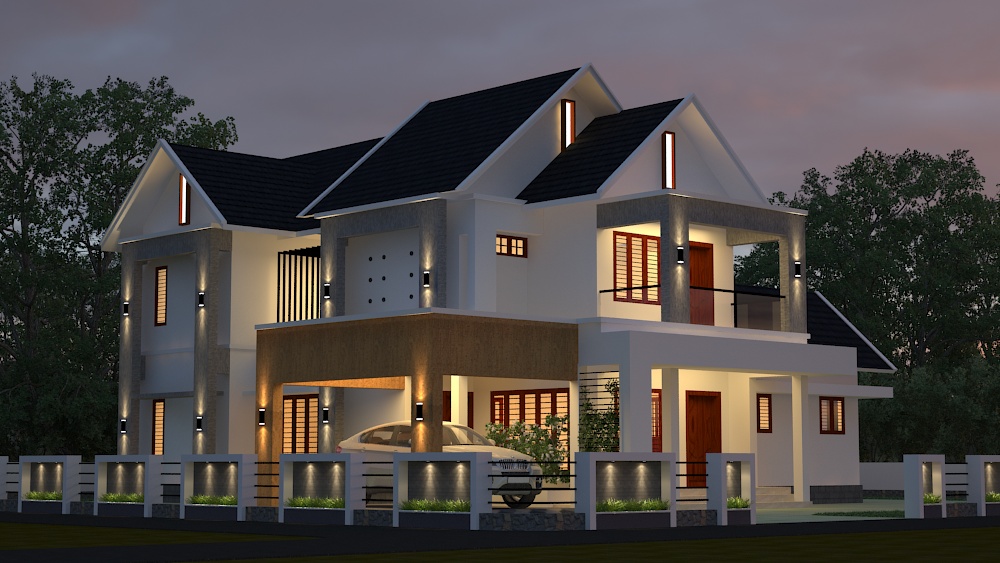
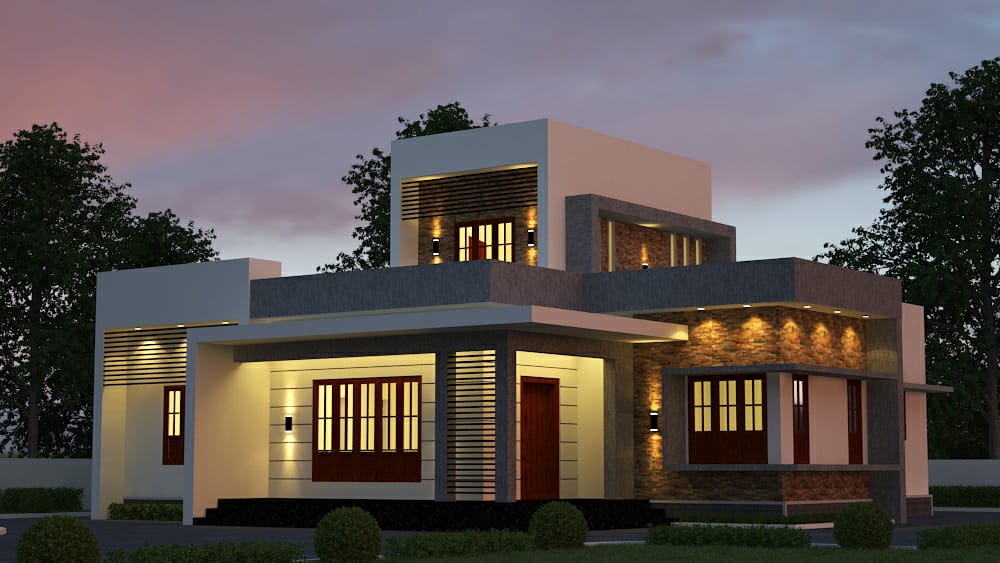
Is Vastu Shastra really important for living in 21st century ?

B Basically, if it is seen as something to do with religion, I would say the answer is no. But, with the perspective of science added to it, yes, it is important. The primary Vastu Shastra rules are regarding the directions and elements of the nature. There are specific rules for each direction in Vastu Shastra.
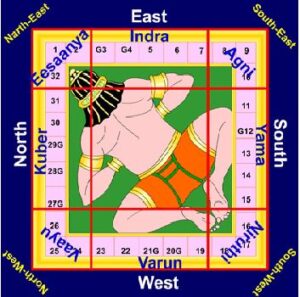
When planning a residential today, many clients still ask whether Vastu Shastra has a place in 21st-century living. For many families, the answer is yes. A well-planned home is not only about appearance or square footage, but also about comfort, light, ventilation, flow, and peace of mind. Working with an architect who follows Vastu principles in Kerala can help balance traditional guidelines with modern design needs.
The word Vastu refers to the site, ground, dwelling, or foundation of a house. In simple terms, Vastu Shastra is a traditional system of design guidelines intended to create better living spaces. These principles are often associated with direction, layout, sunlight, ventilation, and the natural relationship between built space and the environment.
One of the most commonly followed Vastu principles is that a house should preferably face the east. Traditionally, east-facing homes are considered beneficial because they receive the morning sun, bringing in natural light and freshness. From a practical design perspective, this can help improve indoor brightness and create a healthy living environment.
The kitchen is another important area in Vastu-based planning. It is often recommended that the kitchen be placed in the south-east direction, also known as the Agni corner. Traditionally, this direction is associated with fire. In practical architectural terms, this placement can also support better planning for heat, airflow, and ventilation. Cooking while facing east is considered favorable in Vastu, and good ventilation in the kitchen helps release smoke and maintain hygiene.
Many homeowners also ask why the north-east corner is treated differently in Vastu design. In traditional planning, the north-east is considered one of the most auspicious zones of the home and is often kept lighter, more open, and less burdened by heavy functions. This is why bedrooms, kitchens, and major structural loads are often avoided in that area in Vastu-conscious design.
Another commonly followed principle is that the north-east side of the plot should be lower than the south-east or south-west, allowing better openness and site balance. In many traditional interpretations, this supports natural movement of water and creates a sense of spatial harmony within the site.
Window placement is also an important part of Vastu-friendly architecture. Homes often benefit from having more openings on the north and east sides, where natural light and airflow can be better utilized. In Kerala’s climate, this can also improve cross-ventilation and reduce the need for artificial lighting during the day. A thoughtful architect in Kerala can combine these principles with climate-responsive design to create homes that feel bright, airy, and functional.
These are just a few examples of how Vastu principles can be interpreted in modern residential architecture. Today, Vastu is not only about tradition. It is also about creating homes that feel balanced, practical, and comfortable for everyday life. The right architect can ensure that Vastu ideas are applied in a sensible way, without compromising modern aesthetics, structural requirements, or lifestyle preferences.
Is Vastu Religion-Specific?
No. Vastu Shastra is generally considered a design philosophy rather than a religion-specific practice. People from different backgrounds and communities choose Vastu-based planning for cultural, personal, or practical reasons.
Is Vastu Shastra Applicable Only in India?
No. Vastu principles are followed by people around the world. While the interpretation may vary depending on location, climate, and plot conditions, many of the core ideas can be adapted to homes in different regions and countries.
Conclusion
If you are planning a new home and want to combine traditional wisdom with practical design, working with an architect who follows Vastu principles can be a valuable step. A well-designed Vastu-based home can support better light, airflow, layout efficiency, and overall comfort while respecting your personal beliefs and modern living needs. At Havenleaf Architecture Studio, we follow Vasthu principles and always work in coordination with Vasthu experts based on each client’s request.
Looking for an architect in Pala , Kottayam – Kerala who follows Vasthu principles?
Havenleaf Architecture Studio helps homeowners combine traditional Vasthu guidance with practical modern design.